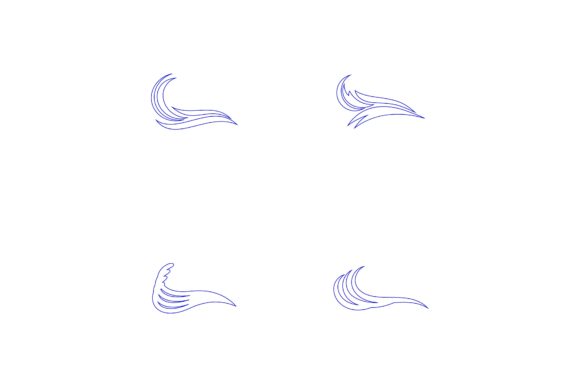
Wave Logo Design: A Fluid Identity for Modern Brands
A wave logo can feel like a breath of fresh air. It carries movement, energy, and a sense of natural flow that few other shapes can match. Whether you are starting a new brand, refreshing an old one, or simply exploring creative directions, the wave symbol offers a versatile foundation. It works for tech startups, wellness studios, travel agencies, beachside cafés, and even financial institutions looking to communicate progress and stability.
What Makes a Wave Logo Stand Out
At its core, a wave logo uses curves, spirals, or flowing lines to suggest motion. The shape can be as simple as a single swoosh or as complex as a layered, multicolor pattern that mimics the ocean. The appeal lies in its dual nature: it feels both organic and geometric. A wave can be soft and playful or sharp and professional, depending on how you style it.
Many designers turn to wave motifs because they symbolize adaptability, continuity, and transformation. Water never stays still, and neither do the best brands. A wave logo hints at growth, change, and resilience—qualities that resonate across industries. For a yoga studio, it might represent inner calm and breath. For a surf shop, it directly connects to the sport. For a corporate consulting firm, it suggests steady progress and forward thinking.
The Core Characteristics of a Wave Logo
- Fluidity and movement: The eye naturally follows a curve, making wave logos memorable and dynamic.
- Versatility: A wave can be thick or thin, colorful or monochrome, abstract or literal.
- Timelessness: Unlike trendy icons that fade, wave shapes have been used in art and design for centuries.
- Emotional connection: Water evokes feelings of calm, refreshment, and freedom.
Who Needs a Wave Logo and Why
Wave logos are especially popular among businesses and creators who want to communicate a sense of ease, reliability, or natural energy. If you run a spa, a cosmetic brand, or a wellness blog, a gentle wave can reinforce your message of care and renewal. If you work in tech or finance, a clean, geometric wave can signal innovation and steady performance without feeling cold or impersonal.
Freelancers and small business owners often choose wave motifs because they work well across formats. A wave logo looks just as good on a business card as it does on a website header or a social media avatar. You can scale it, rotate it, or use part of it as a design element on letterhead and labels.
For educators and hobbyists, a wave logo can be a fun project that teaches basic principles of shape, balance, and color theory. Creating one from scratch—even with simple vector tools—helps you understand how line weight, curve radius, and spacing affect the overall feel of a mark.
Real-World Use Cases for Wave Logos
- Tourism and travel: Beach resorts, cruise lines, and vacation rental platforms use wave icons to evoke sun, sea, and relaxation.
- Health and wellness: Yoga studios, meditation apps, and herbal product lines benefit from the calming effect of flowing shapes.
- Technology and digital media: A wave can represent data flow, internet connectivity, or network signals in a sleek, modern way.
- Corporate branding: Large organizations use subtle wave patterns in their logos to suggest growth, stability, and forward momentum.
- Sport and outdoor recreation: Surfing, sailing, and swimming brands naturally align with wave imagery.
What to Consider Before Choosing a Wave Logo
Not every wave logo works for every brand. The shape you choose sends a message, and it pays to think carefully about how that message matches your audience. A thick, bold wave might feel strong and dependable, while a thin, delicate one can seem elegant or artistic. A multicolor wave with bright blues and greens suits a summer beach brand, but a luxury finance firm might prefer a single, gold curve on a dark background.
Another important factor is scalability. A wave logo with many small details or complex gradients may look great on a screen but lose clarity when printed on a pen or embroidered on a cap. Stick to clean lines and simple shapes if you plan to use the logo across many physical items.
Also, consider how the wave interacts with other elements. Will it sit inside a circle, a triangle, or a rounded badge? Does it work as a standalone icon, or does it need a wordmark beside it? Some wave logos are designed to wrap around text, while others act as a background pattern that adds depth without overpowering the message.
Common Mistakes to Avoid
- Overcomplicating the design: Too many curves or colors can make a logo feel busy and hard to recognize.
- Ignoring the context: A wave that looks great on a beach towel might feel out of place on a legal document.
- Forgetting about black and white versions: Your logo should work without color, especially for stamps, embossing, or one-color prints.
- Copying existing brands: Wave logos are popular, so take time to create something that feels unique to you.
How to Get Started with a Wave Logo
You do not need to be a professional designer to create a wave logo that looks polished. Many online tools and vector editors let you experiment with curves, layers, and color palettes. Start by sketching a few rough ideas on paper. Think about the feeling you want to convey. Do you want the wave to be calm and gentle, or fast and energetic? A wide, gentle arc suggests peace, while a sharp, zigzag line feels more like a lightning bolt or a data signal.
Once you have a basic shape, try different arrangements. Place the wave above your business name, integrate it into a letter mark, or use it as a circular frame. Play with line thickness, rotation, and spacing. A wave rotated 90 degrees becomes a rising or falling line, which can symbolize growth or descent. A spiral wave can suggest infinity or the cyclical nature of life.
Color is another powerful tool. Deep blue and aqua are obvious choices for water-related brands, but do not limit yourself. A gold wave on a dark background can feel luxurious. A bright orange or pink wave might suit a creative agency or a children's brand. A monochrome wave with subtle shading can look sophisticated and modern.
Pairing Wave Logos with Typography
The font you choose matters just as much as the wave itself. A clean sans-serif typeface works well with a minimal wave, while a script font can complement a flowing, organic shape. If your wave is bold and geometric, go for a simple, modern typeface that does not compete for attention. If the wave is light and airy, a delicate serif or handwritten style can create a cohesive look.
Some brands opt for a logo that includes the wave inside a letter. For example, a capital "O" can become a circular wave, or an "S" can naturally turn into a flowing curve. This approach works especially well for businesses with names that start with those letters, creating a memorable monogram that doubles as a symbol.
The Lasting Appeal of Wave Logos
Wave logos have a way of staying relevant. They do not rely on a passing trend or a niche aesthetic. The shape is rooted in nature, and our attraction to flowing lines is almost instinctive. Whether you are building a brand for a surf camp, a software company, a cosmetics line, or a nonprofit focused on ocean conservation, a wave can carry your message with grace and clarity.
The key is to treat the wave as more than just a decoration. Let it reflect your brand's personality and values. A thoughtful wave logo can communicate trust, creativity, and a forward-looking spirit without saying a word. It is a small design choice that can make a big difference in how people remember and relate to your work.
If you are exploring logo ideas, give the wave a serious look. It might be the simple, elegant solution you have been searching for. And if you already have a wave logo, take a moment to appreciate how much meaning can be wrapped in a single curve.